
Prebiotic supplements
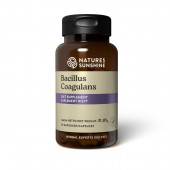
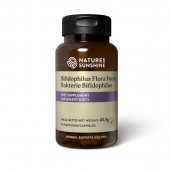
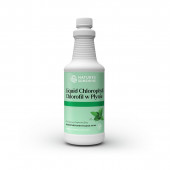
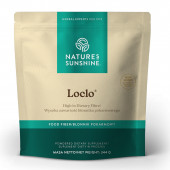
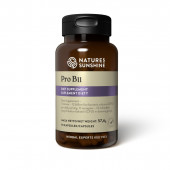
The human body is an "inner cosmos" where almost 100 trillion microorganisms live. The largest number of them is concentrated in the intestine, almost 2 kg. This microbiota actively influences the general well-being and is extremely unstable. Strong emotions, overwork, insomnia, infections, taking antibiotics - these factors affect the size of the bacterial population. The number of some decreases and creates a favorable environment for the reproduction of others.
Such a "skew" disturbs the delicate balance of microflora, causing disorders of varying severity. The first sign of imbalance is diarrhea or constipation. For example, "traveler's diarrhea", when the stool changes due to changes in climate, water and diet.
Prolonged disordered eating or lack of any foods in the diet causes more serious problems: decreased immunity, allergic reactions, acne, nausea, abdominal pain, intoxication. All of what experts define as dysbiosis.
Support the "good" intestinal microflora can be supported by a functional diet containing prebiotics.
What are prebiotics?
These are substances of non-microbial origin. Components of food products that are not digested and are not digested in the upper GI tract: trisaccharides, polyatomic alcohols, unsaturated fatty acids, antioxidants, plant elements. They are all fermented by the microflora of the large intestine and selectively stimulate the growth of beneficial species, primarily bifidobacteria and lactobacilli.
The highest amounts of probiotics are found in milk, muesli, cereals, wheat, oats, garlic, beans, cabbage, and bananas. But it is not enough to make up for the deficiency if necessary. Enrich the daily diet can be prebiotics in dietary supplements NSP.
Indications for use. Properties
It is difficult to list all the indications for the use of prebiotics. It is an integral part of the daily menu. Without them it is impossible to normal existence of microflora and the work of the gastrointestinal tract. The lion's share of all stomach and intestinal problems is an imbalance of microflora. The strengthening of pathogenic bacteria violates the resistance of the body. Weakened immunity "pulls" behind it failures in the nervous and endocrine system.
The main properties of prebiotics:
- effective strengthening of immunity;
- normalization of metabolic processes;
- activation of enzyme synthesis;
- favorable effect on the state of the skin.
These qualities determine their use in:
- functional disorders of the gastrointestinal tract (ulcers, colitis, gastritis);
- malfunctions in the endocrine system;
- in immunodeficiency states;
- in the case of systemic diseases;
- disorders of the heart;
- overweight;
- hematopoietic problems;
- intensive therapy with high doses of antibiotics;
- oncology;
- for adsorption of toxins and toxins;
- general prevention and recovery.
Advantages
Each NSP prebiotic presented in the catalog has selective activity. It supports the growth of beneficial microorganisms and inhibits pathogenic and opportunistic species. Their fermentation occurs without the formation of sugars. All means of this group have no side effects and contraindications.
Difference between probiotics (eubiotics) and prebiotics
Eubiotics are live microorganisms (bacteria) of useful species for the human microflora. Prebiotics are the food substrate for probiotics. Their task is to stimulate the growth of microorganisms important for homo sapiens. A rational combination of pre- and probiotics creates an optimal environment for microbiocenosis.