
Gut flora restoration for adults

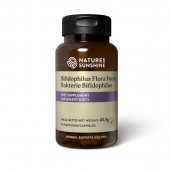


Dietary supplements for intestinal microflora
Dietary supplements for dysbiosis contain beneficial bacteria that keep the body in good shape. How do they work?
What is microflora?
It is beneficial living microorganisms that live in the intestines. These bacteria support a number of vital processes: digestion of food, immune protection of the body, participation in the processes of removing toxins from the kidneys and liver. Bifidobacteria and lactobacilli are the main components of microflora. NSP dietary supplement for dysbiosis is a product that contains them.
What is dysbiosis*
When pathogenic bacteria and fungi increase in number, problems begin. The natural environment of the gastrointestinal tract is disrupted. This means it's time to take probiotics and prebiotics. These include dietary supplements for restoring the intestinal microflora. Pronounced symptoms of the problem**:
- Stool disorder;
- Nausea;
- Bad breath;
- Flatulence;
- Heartburn.
A small child has a reduced appetite and refuses to eat. The situation can be remedied with dietary supplements for the intestinal microflora.
Restoring microflora with dietary supplements
Options for restoration from NSP:
- Bifidobacterium for children's intestines;
- Bifidophilus Flora Force for older children.
The supplements are even approved for newborns.
Indications for use
NSP supplements are indicated:
- In parallel with medication for infections, viruses, parasites;
- Frequent stress and nervous disorders;
- Gastrointestinal diseases – colitis, esophagitis, pancreatitis;
- Impaired vitamin K synthesis;
- Weakened immunity;
- Taking antibiotics.
Advantages of NSP
NSP dietary supplements for dysbiosis:
- Approved for use from birth;
- Contain increased amounts of lactobacilli and bifidobacteria;
- Used for making yogurt at home;
- Herbal remedies are always available and certified.
* Yakovenko E.P. Intestinal dysbiosis. Medical Practice, no. 3, 2004, pp. 3-8.
** Krivuschev B.I. Dysbacteriosis and probiotics. Child Health, no. 3, 2010, pp. 75-79.