
NSP Enzymes

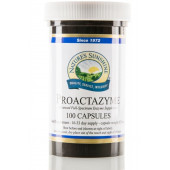
Two dozen different enzymes (enzymes) produced by the glands of internal secretion (salivary, pancreatic, intestinal mucosa cell structures) help convert all our breakfasts and lunches into energy and building material for tissues and organs.
What are enzymes?
Enzymes or enzymes are organic substances (protein structures) that break down complex food components into simpler and more digestible ones. Each enzyme is the "key" to a specific process.
- Proteases - convert proteins into amino acids;
- Lipases - convert lipids into glycerol and fatty acids;
- Carbohydrases - transform carbohydrates (starch, sugar) into glucose;
- Nucleases - break down nucleic acids to PUFAs.
Without them, digestion is impossible, the heart will not contract, stalled processes in the brain. All cells of the human body work in a 24/7/365 mode thanks to enzymes. Figuratively speaking, our whole life is an enzymatic reaction.
Sources of enzymes can be:
- plants (bananas, mangoes, cranberries, cabbage);
- animals (dried animal gland);
- our own (produced by the human body).
They only work under certain conditions. The acidity of the medium, temperature, the presence of auxiliary substances (vitamins, amino acids) are important. Any heat treatment irrevocably destroys their structure.
In addition, as a rule, our daily diet is not balanced in quality and quantity. Eating "on the go", in a dry bag, the use of incompatible products with each other leads the digestive system in a "shock" state.
The result is dyspepsia (disorder of digestion). This is the source of allergies, dysbacteriosis, colitis and acidosis and, ultimately, weakened immunity and the development of chronic diseases.
Food enzymes NSP, in this case, a reliable support for the body.
Indications for use. Properties
Digestive enzymes NSP eliminate imbalances in the GI tract and fill the deficiency of key food enzymes. The supplement is recommended not only for enzyme deficiency, but also as a preventive measure after 40 years of age, when there is a natural decline in the enzymes produced by the body.
The use of supplements allows you to quickly cope with the unpleasant consequences of dyspepsia: nausea, bloating, stool disorders, heartburn.
Bioactive supplements are indicated in:
- Inflammatory processes of the GI tract of various etiologies.
- Insufficient secretion of bile.
- Malfunctions in the sphincters of the stomach.
- Neoplasms in the liver and pancreas.
- Dysbacteriosis.
- Fermentopathies.
- Allergies.
- Weight correction.
Benefits
The use of enzymes improves digestion and minimizes the effects of poor nutrition. Ensures the full absorption of all bioactive components: fats, proteins, carbohydrates, vitamins, micro- and macronutrients. Normalizes metabolism.
Main components
The composition of dietary supplements includes:
- enzymes of animal origin (protease, pancreatin, papain, alpha-amylase);
- plant components (dietary fiber, vegetable extracts, bromelain);
- additional substances (bovine bile, betaine, enzymes)